Sunday, May 18, 2025

Shankhmul

                   Shankhamul


 Shankhamul is a historic and culturally significant area located along the Bagmati River in Kathmandu, Nepal. It holds religious importance, particularly for Hindus, and is known for its ghats (stone-paved steps leading to the river), which are used for rituals, cremations, and festivals. The name "Shankhamul" comes from the Sanskrit words *shankha* (conch shell) and *mul* (base), referring to its mythological association with the god Vishnu.


### Key Features of Shankhamul:

1. **Religious Significance**  

   - A sacred site for Hindu rituals, including death ceremonies and ancestor worship (*Shraddha*).  

   - Believed to be the place where Lord Vishnu blew his conch shell (*shankha*), giving the area its name.  


2. **Ghats and Riverfront**  

   - Steps leading to the Bagmati River where devotees perform religious activities.  

   - Used for cremation ceremonies, similar to Pashupatinath’s ghats (though less prominent).  


3. **Festivals and Events**  

   - Hosts religious gatherings, especially during *Haribodhini Ekadashi* and other Hindu festivals.  

   - Occasionally used for cultural and environmental cleanup campaigns due to the Bagmati’s pollution issues.  


4. **Environmental Concerns**  

   - Like other stretches of the Bagmati, Shankhamul faces pollution challenges, prompting community-led cleanup efforts.  


5. **Accessibility**  

   - Located in the southern part of Kathmandu, near Kupondole (Pulchowk) and Jawalakhel.  


### Nearby Attractions:

- **Patan Durbar Square** (a UNESCO World Heritage Site)  

- **Jawalakhel Handicraft Center** (known for Tibetan carpets)  

- **Thecho Village** (a traditional Newari settlement)  

Lumbini (Nepal )

                    Lumbini


**Lumbini**, a significant historical and religious site in Nepal. Here’s what you should know:


### **Lumbini (Nepal)**

- **Birthplace of Buddha**: Lumbini is a UNESCO World Heritage Site and one of the most important Buddhist pilgrimage sites. It is believed to be where **Siddhartha Gautama (the Buddha)** was born in 623 BCE.

- **Location**: Located in the Rupandehi District of Nepal, near the Indian border.

- **Key Attractions**:

  - **Maya Devi Temple** – Marks the exact spot where Buddha was born.

  - **Ashoka Pillar** – Erected by Emperor Ashoka in 249 BCE to commemorate his pilgrimage.

  - **Monastic Zone** – Features monasteries built by various Buddhist countries (e.g., Thailand, Myanmar, China).

  - **Lumbini Museum & International Research Institute** – For Buddhist history and culture.


### **Possible Other Meanings**

- **Lumbani (Zambia)**: A small village or locality in Zambia.

- **Lumbani (Philippines)**: A rare surname or place name in some regions.

Wednesday, May 14, 2025

Pokhara

                    Pokhara


### **1. Overview**  

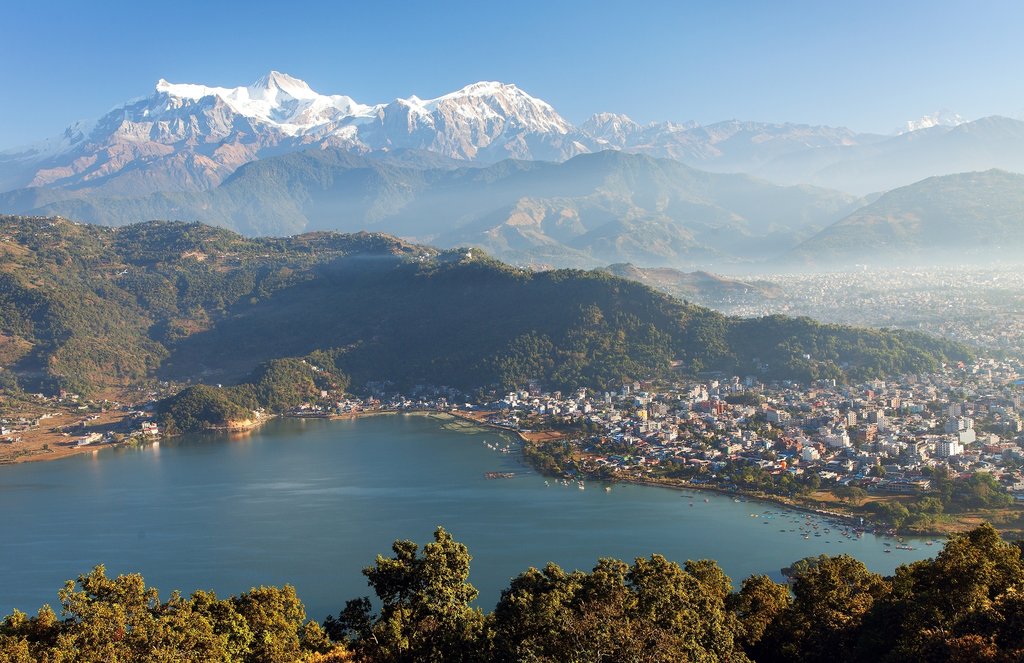
- **Location**: Central Nepal, capital of Gandaki Province, 200 km west of Kathmandu .  

- **Elevation**: 822 m above sea level, with the Annapurna Range (including Dhaulagiri, Annapurna I, and Manaslu) visible within 24–56 km .  

- **Nicknames**: "City of Lakes," "Tourism Capital of Nepal" .  

- **Population**: 599,504 (2021 census), Nepal’s second-largest city .  


### **2. History**  

- **Origins**: Named after the Nepali word *pokhari* (pond), reflecting its many lakes .  

- **Trade Hub**: Part of the 17th-century Kingdom of Kaski and a key route between China and India .  

- **Modern Growth**: Developed as a tourism hub after the 1968 completion of Siddhartha Highway .  

- **Tibetan Influence**: Hosts four Tibetan refugee settlements (e.g., Tashi Palkhel) since the 1959 exodus .  


### **3. Geography & Climate**  

- **Lakes**: Phewa (most famous), Rupa, and Begnas are among nine freshwater lakes .  

- **Rivers**: Seti Gandaki River carved deep gorges; Davis Falls is a notable underground cascade .  

- **Caves**: Gupteshwar Mahadev, Bat’s Cave, and Mahendra Cave .  

- **Climate**: Subtropical; summers (25–35°C), winters (-2–15°C). Monsoon (July–September) brings heavy rainfall .  


### **4. Top Attractions**  

- **Phewa Lake**: Boat rides to Tal Barahi Temple, sunrise views .  

- **Sarangkot**: Panoramic sunrise views of Annapurna peaks .  

- **World Peace Pagoda**: Buddhist stupa with lake and mountain vistas .  

- **Adventure Sports**: Paragliding, zip-lining, and trekking (Annapurna Circuit starts here) .  

- **Cultural Sites**: Bindhyabasini Temple, Gurkha Museum, Tibetan settlements .  


### **5. Culture & Demographics**  

- **Ethnic Groups**: Gurung, Magar, Brahmin, Chhetri, and Newar communities .  

- **Military Legacy**: Home to Gurkha soldiers recruited for British/Indian armies .  

- **Languages**: Nepali (official), Tibetan, and local dialects .  


### **6. Travel Tips**  

- **Best Time to Visit**: October–March for clear skies; spring (March–April) for rhododendron blooms .  

- **Transport**:  

  - **Flight**: 20-minute from Kathmandu (Pokhara International Airport) .  

  - **Bus**: 6–8 hours from Kathmandu (NPR 1200–1600) .  

- **Accommodation**: Lakeside area offers luxury resorts (e.g., Tiger Mountain Lodge) to budget hostels .  


### **7. Unique Facts**  

- **Disaster Risk**: Prone to earthquakes/floods due to Seti River .  

- **Military Presence**: Houses Nepalese Army’s Western Division HQ .  

- **2024 Title**: Officially declared Nepal’s "Tourism Capital" .  

Rethinking Education

 Rethinking Education


# **Rethinking Education: Bridging Tradition and Transformation**  

## **1. The Digital Revolution and Learner Autonomy**  

The traditional classroom model is being disrupted by technology, enabling learning to occur anywhere—from homes to online platforms. Examples include children mastering skills through video games, teens gaining certifications via digital courses, and self-directed learners using tools like Wikipedia or coding communities. This shift demands a reimagining of education systems to prioritize **customization, interaction, and learner control** .  

- **Case Study**: A high school dropout earned IT certifications online and secured a banking job, illustrating how alternative pathways can succeed .  

- **Challenge**: Equity gaps may widen if access to technology isn’t universal .  

## **2. Life Skills: The Missing Curriculum**  

Schools often neglect teaching critical life skills like communication, conflict resolution, and goal setting. Programs like *Overcoming Obstacles* integrate these skills into curricula, reducing bullying and dropout rates while fostering resilience. For instance, students learn to break long-term goals (e.g., making a sports team) into actionable steps .  

- **Impact**: Schools embedding life skills report improved climate and student outcomes .  

## **3. Equity and Inclusion Beyond Rhetoric**  

While "every child matters" is a common mantra, systemic biases persist. Black Caribbean students in the UK face higher exclusion rates, and stereotype threat undermines performance for marginalized groups. Solutions include:  

- **Identity-safe classrooms**: Diverse curricula and growth mindset practices .  

- **Universal Design for Learning (UDL)**: Flexible frameworks for diverse needs, moving beyond segregated SEND support .  

## **4. The Crisis of Teacher Demoralization**  

Decades of scripted curricula and high-stakes testing have eroded teacher autonomy. Veteran educators highlight the need to restore professional trust and nuance in leadership to foster innovation .  

- **Quote**: *"Lofty goals without thoughtful policy lead to blind action"* .  

## **5. Rethinking Assessment and Creativity**  

Standardized tests often ignore spatial talents (e.g., Lego prodigies) or creative problem-solving. Advocates call for:  

- **Interdisciplinary projects**: Like those at the London Interdisciplinary School, where AI tools enhance human-centric learning .  

- **Portfolio-based evaluations**: Moving beyond timed exams to showcase diverse skills .  

## **The Path Forward**  

Education must balance tradition with transformation by:  

1. **Leveraging technology** for personalized learning .  

2. **Prioritizing life skills** alongside academics .  

3. **Confronting systemic inequities** through policy and practice .  

4. **Empowering teachers** as collaborators in reform .  

As Sir Anthony Seldon argues, the system must evolve beyond its Industrial Age roots to prepare students for an unpredictable future . The time for incremental change has passed—**a classroom revolution is overdue** . 

The joy of missing out

      The Joy of Missing Out


### **The Joy of Missing Out: How JOMO Can Transform Your Life**  

#### **Introduction**  
In a hyperconnected world dominated by FOMO (Fear of Missing Out), the countercultural concept of **JOMO**—**Joy of Missing Out**—has emerged as a lifeline for mental well-being. Coined as an antidote to social media-induced anxiety, JOMO celebrates intentional disconnection, mindfulness, and contentment with the present moment .  


### **Understanding JOMO vs. FOMO**  
1. **FOMO**: Driven by social comparison and the fear of exclusion, FOMO thrives on curated highlights of others’ lives, often leading to stress, low self-esteem, and burnout .  
2. **JOMO**: Rooted in minimalism and mindfulness, JOMO embraces:  
   - **Solitude**: Finding pleasure in being alone without guilt .  
   - **Intentionality**: Prioritizing activities aligned with personal values over societal expectations .  
   - **Digital Detox**: Reducing screen time to reclaim mental space .  


### **The Science Behind JOMO**  
- **Psychological Benefits**: Studies link JOMO to reduced anxiety, improved focus, and greater life satisfaction. A 2023 study found that intentional disconnection (e.g., during social media outages) boosted participants’ happiness and offline engagement .  
- **Social Anxiety Caveat**: Some research suggests JOMO may correlate with social anxiety, as individuals might avoid interactions rather than seek rejuvenation. However, healthy JOMO involves *choosing* solitude for self-care, not isolation .  


### **How to Cultivate JOMO**  
1. **Set Boundaries with Technology**:  
   - Turn off non-essential notifications.  
   - Designate "tech-free" hours or days (e.g., weekends) .  
2. **Practice Saying "No"**: Decline events that drain you; prioritize activities that spark joy .  
3. **Embrace Slow Living**:  
   - Cook a meal mindfully.  
   - Take solo walks to observe nature .  
4. **Reframe Social Media**: Unfollow accounts that trigger comparison; curate feeds to inspire, not intimidate .  
5. **Journaling**: Reflect on how you spend time. Identify FOMO-driven habits and replace them with JOMO-aligned choices .  


### **Real-Life Impact of JOMO**  
- **Case Study**: A busy entrepreneur reduced burnout by cutting non-essential networking events, focusing instead on deep work and family time .  
- **Financial & Emotional Gains**: JOMO can save money (e.g., skipping costly trends) and deepen relationships by fostering presence .  


### **Conclusion: JOMO as Radical Self-Care**  
JOMO isn’t about isolation—it’s about **curating a life that feels authentically yours**. As poet Michael Leunig writes, *"Oh the joy of missing out… You spurn the treasure on the shelf in favor of your peaceful self"* . In a world obsessed with "more," JOMO offers the freedom to choose "enough."  

**Final Tip**: Start small. Tonight, try a screen-free evening with a book or a hobby. Notice how it feels to miss out—and enjoy it.  


For further reading, explore *"The Joy of Missing Out"* by Tanya Dalton  or *Psychology Today*’s FOMO/JOMO archives .  

Monday, May 12, 2025

Tiktok information

            Tiktok information 


### **1. What is TikTok?**

TikTok is a social media platform for creating, editing, and sharing short-form videos ranging from 3 seconds to 60 minutes in length. It features music, filters, effects, and a highly personalized algorithm that curates content for users. Launched in 2016 by the Chinese company ByteDance, it is known as Douyin in China .


### **2. How TikTok Works**

- **Algorithm**: TikTok’s "For You Page" (FYP) uses machine learning to recommend videos based on user interactions (likes, shares, watch time) and video metadata (hashtags, captions) .

- **Content Creation**: Users can film, edit, and share videos with tools like filters, duets, stitches, and effects. The platform supports lip-syncing, dances, comedy, education, and marketing .

- **Monetization**: Creators earn through ads, sponsorships, and TikTok’s Creator Fund. Brands use influencer marketing and TikTok Shop for e-commerce .


### **3. Popularity and User Base**

- **Global Reach**: As of 2025, TikTok has **1.6 billion users** worldwide, available in 150+ countries and 75+ languages .

- **Demographics**: 

  - 59% of U.S. adults under 30 use TikTok, with 63% of teens (13–17) active on the platform .

  - 52% of users are female, 48% male .

- **Engagement**: Users spend **75+ minutes daily** on average, and 90% access the app daily .


### **4. Key Statistics**

- **Downloads**: Over 4.7 billion downloads globally .

- **Revenue**: Projected to reach **$54 billion by 2027**, up from $23.6 billion in 2024 .

- **Viral Impact**: The hashtag #TikTokMadeMeBuyIt drives impulse purchases, and 50% of marketers allocate half their budgets to TikTok ads .


### **5. Controversies and Bans**

- **Data Privacy**: Critics allege TikTok collects extensive user data (location, device info, biometrics) and could share it with the Chinese government under China’s national security laws .

- **U.S. Ban Threat**: In April 2024, U.S. lawmakers passed a law requiring ByteDance to sell TikTok or face a ban by January 2025. President Trump extended the deadline but the legal battle continues .

- **Other Bans**: TikTok is banned in India, Bangladesh, and on government devices in the U.S., EU, and others due to security concerns .


### **6. Evolution and Features**

- **Expanded Video Length**: From 15-second clips to 60-minute videos .

- **TikTok Shop**: In-app shopping with product tags and live sales .

- **TikTok Notes**: A photo-sharing feature tested in 2024 .

- **AI Tools**: TikTok Symphony for ad scripting and TikTok Studio for creator analytics .


### **7. Mental Health and Criticism**

- **Addictiveness**: The algorithm’s "rabbit hole" effect can lead to excessive use, linked to anxiety and depression, especially in teens .

- **Misinformation**: Concerns about unvetted content and harmful challenges (e.g., Kia car theft trend) .


### **8. How to Protect Privacy**

- Disable personalized ads and set account to private .

- Limit app permissions (location, contacts) and use a VPN .

- Avoid linking other social media accounts .

Sunday, May 11, 2025

quick tips for success

          quick tips for success      


### **1. Set Clear Goals**  

Define what success means to you and set **SMART goals** (Specific, Measurable, Achievable, Relevant, Time-bound) to stay focused .  


### **2. Commit Over Motivation**  

Motivation fades, but **commitment** keeps you going. Focus on why your goal matters and what you’re willing to sacrifice .  


### **3. Continuous Learning**  

Stay curious and adaptable. Read, take courses, and seek mentors to grow your skills .  


### **4. Eliminate Distractions**  

Identify time-wasters (social media, unnecessary tasks) and prioritize what truly matters .  


### **5. Build Resilience**  

View failures as lessons, not setbacks. Develop mental toughness to persist through challenges .  


### **6. Take Action**  

Procrastination kills progress. Break tasks into small steps and **do a little every day** .  


### **7. Surround Yourself with Positivity**  

The people around you influence your mindset. Seek supportive, driven individuals .  


### **8. Balance Work & Life**  

Burnout derails success. Schedule rest, hobbies, and self-care to sustain long-term performance .  


### **9. Think Independently**  

Original ideas drive innovation. Challenge norms and test new approaches .  


### **10. Celebrate Small Wins**  

Acknowledge progress to stay motivated. Success is a journey, not just an endpoint .

Google Ranking Secrets No One Tells Beginners

Google Ranking Secrets No One Tells Beginners When someone starts blogging or building a website, the first dream is always the same: “I wa...